The Ultimate Guide to Understanding Your Car's Air Conditioning System

A car’s air conditioning system is more than just a luxury feature. It plays a crucial role in keeping you comfortable during hot days and maintaining clear visibility by reducing humidity inside the vehicle. Yet, many drivers don’t fully understand how their car’s AC works or how to keep it running efficiently. This guide breaks down the essentials of your car’s air conditioning system, how it functions, common issues, and tips for maintenance.
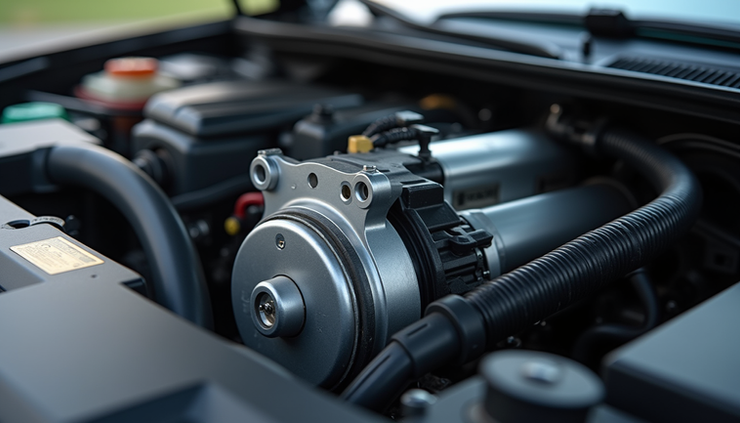
Close-up view of a car air conditioning compressor under the hood, highlighting the main components
How Your Car’s Air Conditioning System Works
Your car’s AC system cools and dehumidifies the air inside the cabin using a cycle that involves refrigerant, compressors, condensers, and evaporators. Here’s a simple breakdown of the process:
Compressor: This is the heart of the system. It compresses the refrigerant gas, raising its pressure and temperature.
Condenser: Located in front of the radiator, the condenser cools the high-pressure refrigerant gas, turning it into a liquid.
Expansion Valve or Orifice Tube: This component controls the flow of refrigerant into the evaporator, allowing it to expand and cool.
Evaporator: Inside the dashboard, the evaporator absorbs heat from the cabin air, cooling it down. The refrigerant evaporates back into a gas here.
Blower Fan: This pushes the cooled air through the vents into the cabin.
The refrigerant continuously cycles through these components, absorbing heat from inside the car and releasing it outside, which results in cool air blowing into the cabin.
Signs Your Car’s AC Needs Attention
Recognizing early signs of AC problems can save you from costly repairs and uncomfortable drives. Watch for these common symptoms:
Weak or warm airflow: If the air blowing from the vents is not cold or feels weak, it could indicate low refrigerant levels or a failing compressor.
Strange noises: Grinding, squealing, or rattling sounds when the AC is on often point to compressor or belt issues.
Unpleasant odors: Musty or moldy smells can come from bacteria buildup in the evaporator or clogged cabin air filters.
Leaks or puddles: Refrigerant or water leaks under the car may signal a damaged hose or clogged drain.
AC cycles on and off frequently: This can indicate electrical problems or a faulty pressure switch.
If you notice any of these signs, it’s best to have your AC inspected by a professional technician.
Common Car AC Problems and How to Fix Them
Understanding typical AC issues helps you troubleshoot or communicate better with mechanics. Here are some frequent problems and their causes:
Low refrigerant: The most common cause of poor cooling. Refrigerant leaks can occur in hoses, seals, or the condenser. A recharge and leak repair are usually needed.
Compressor failure: The compressor can wear out or seize, especially if the system runs low on refrigerant. Replacing the compressor is often necessary.
Electrical issues: Faulty fuses, relays, or wiring can prevent the AC from turning on or cause intermittent operation.
Clogged cabin air filter: A dirty filter reduces airflow and can cause odors. Replacing the filter is a simple fix.
Blocked condenser: Dirt, leaves, or debris can block airflow through the condenser, reducing cooling efficiency. Cleaning the condenser helps restore performance.
Regular inspections and timely repairs keep your AC system running smoothly.
Tips to Maintain Your Car’s Air Conditioning System
Proper maintenance extends the life of your car’s AC and ensures it works efficiently. Follow these practical tips:
Run the AC regularly: Even in winter, running the AC for a few minutes helps keep the system lubricated and prevents seals from drying out.
Check and replace the cabin air filter: Replace the filter every 12,000 to 15,000 miles or as recommended by your vehicle’s manual.
Keep the condenser clean: Periodically check the front of your car for debris and clean the condenser with water if needed.
Inspect belts and hoses: Look for cracks, wear, or leaks and replace parts as necessary.
Schedule professional AC service: Have a certified technician check refrigerant levels, test system pressure, and inspect components annually.
These steps reduce the risk of breakdowns and improve cooling performance.
How to Use Your Car’s AC Efficiently
Using your car’s air conditioning system wisely can save fuel and reduce wear. Consider these tips:
Start with ventilation: Open windows briefly to let hot air escape before turning on the AC.
Set the temperature moderately: Avoid setting the AC to the coldest setting immediately; gradual cooling is more efficient.
Use recirculation mode: This mode cools the cabin air faster by recirculating inside air rather than pulling hot outside air.
Park in shade when possible: Keeping your car out of direct sunlight reduces the initial heat load.
Turn off AC before stopping: This reduces strain on the compressor when idling.
Efficient use helps maintain comfort without unnecessary fuel consumption.
When to Seek Professional Help
Some AC issues require specialized tools and knowledge. Contact a professional if you experience:
Persistent warm air despite attempts to recharge refrigerant
Strange noises from the compressor or vents
Electrical problems affecting AC operation
Visible refrigerant leaks or damaged components
Failure of the AC system to turn on at all
A trained technician can diagnose problems accurately and perform safe repairs.


Comments